
Anger Management Classes: What to Expect and Who They Are For
Consulting & Community Health
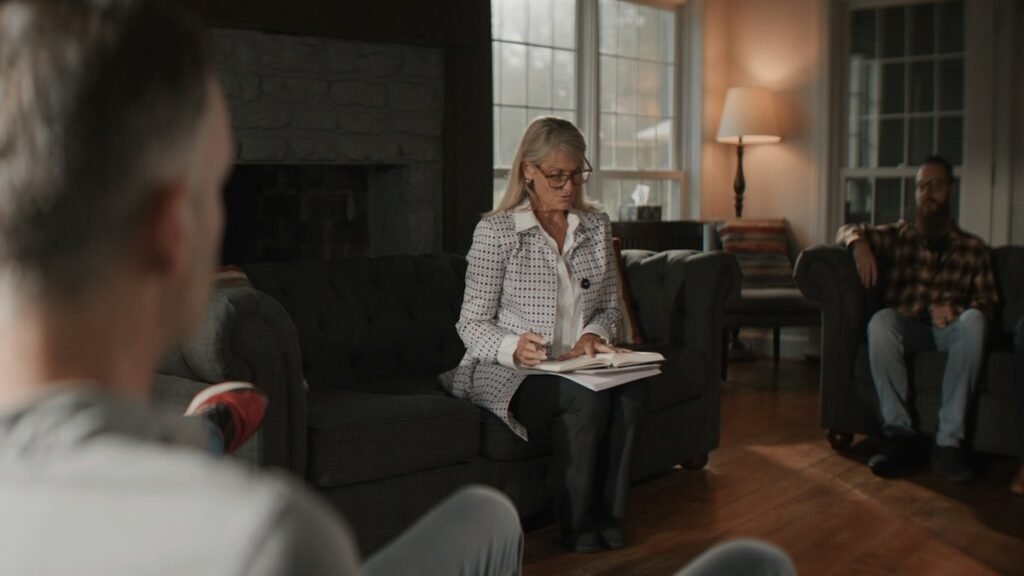
Anger is a normal emotion. The trouble starts when it drives what we say and do before we have had a chance to choose — and the consequences land on relationships, jobs and sometimes legal situations. Anger management classes teach practical ways to notice what is happening and respond rather than react. This guide explains what classes involve and who they are for.
An educational program
It is worth being clear about what our program is. It is an educational program, led by trained anger management facilitators — not counseling or clinical treatment, and we do not hold ourselves out as licensed counselors or therapists. If you need mental health treatment, a licensed clinician is the right place to start, and education like ours can work well alongside it.
If you are in crisis or worried you might harm yourself or someone else, call or text 988, the Suicide and Crisis Lifeline, or call 911.
What you learn
- Recognising your anger triggers and early warning signs
- Replacing destructive responses with constructive ones
- Communicating more effectively in conflict
- Building empathy, patience and self-regulation
- Setting boundaries and managing stress before it builds
The program looks beyond outward behaviour to the thought patterns and stressors underneath it. Sessions introduce practical tools — mindfulness, journaling and cognitive strategies — with time for reflection and skill practice, using trauma-informed methods so the experience is safe and respectful. Sharing personal stories is encouraged but never required.
Formats
- Individual sessions — one-to-one support tailored to your specific triggers and goals.
- Group classes — interactive and supportive, built around shared learning.
- Online courses — at your own pace, from home.
- A full mandated program — a multi-week block booked up front, for referrals that specify one.
Referrals
People come to anger management for many reasons. Some refer themselves. Others are referred by a court, an employer, or an agency, including the Division of Family & Children Services (DFCS). We accept all of these, and we document the hours you attend.
On completion, you receive a certificate recording the hours you attended, which you can submit to a court, agency or employer. Whether that certificate is accepted is always decided by the body that referred you, and completing a program does not guarantee any particular legal, custody or employment outcome. Confirm your specific requirements with your caseworker or attorney before you enroll. A referral does not change the price: referred clients pay the same rates as self-referred clients.
Teens
Teens can attend. A parent or legal guardian must enroll them and sign the consent form before the first session, and where a court or agency has made the referral, we will need a copy of it so we know what has to be documented.
Confidentiality
All sessions are private and confidential, unless disclosure is required by law.
Next steps
More detail is on our Anger Management Classes page. Get in touch and we will tell you when the next class runs, which format suits your situation, and the current fee.
Ready to Take the Next Step in Your Healthcare Career?
Choose a class date, register and pay online, and your seat is booked. Not sure which course fits? Call us and we will help you choose.
- Call Us Today!
- +1 762-394-7944
- Email Address
- info@gahealthcaretraining.com
- Visit Our Facility
- 5400 Lawrenceville Hwy, Suite A-1, Lilburn, GA 30047